Silver and craft on the plateau
Duodji is the Sámi word for traditional craft: knives, brooches, jewellery, woodwork and clothing made from hide and wool. They are objects for use, but also carriers of identity, patterns and knowledge. On the Finnmark plateau duodji lives on — and Juhls Silver Gallery in Kautokeino is one of the best-known places to experience it.
What is duodji?
In duodji, form and function are one. A knife is meant to be used; a brooch holds the gákti together. The materials come from nature and the reindeer — antler, hide, sinew, wood and roots — and the techniques are passed down through generations. Patterns and colours carry information about place and family.
Duodji differs from "souvenir craft" precisely through this grounding in tradition and use. Genuine duodji is often marked, and it is worth asking about origin when you buy.
🥈
1959
Juhls Silver Gallery founded
🏔️
Galaniitu
On a hillside outside Kautokeino
🎨
Regine & Frank Juhls
The founders
🛠️
Living workshop
See the silversmiths at work
Juhls Silver Gallery
Regine and Frank Juhls opened Finnmark’s first silversmithy in 1959. The gallery is beautifully set on a hillside some way outside Guovdageaidnu, and over the years the building has grown into an architectural marvel — an oasis of vaults, light and space in the middle of the plateau.
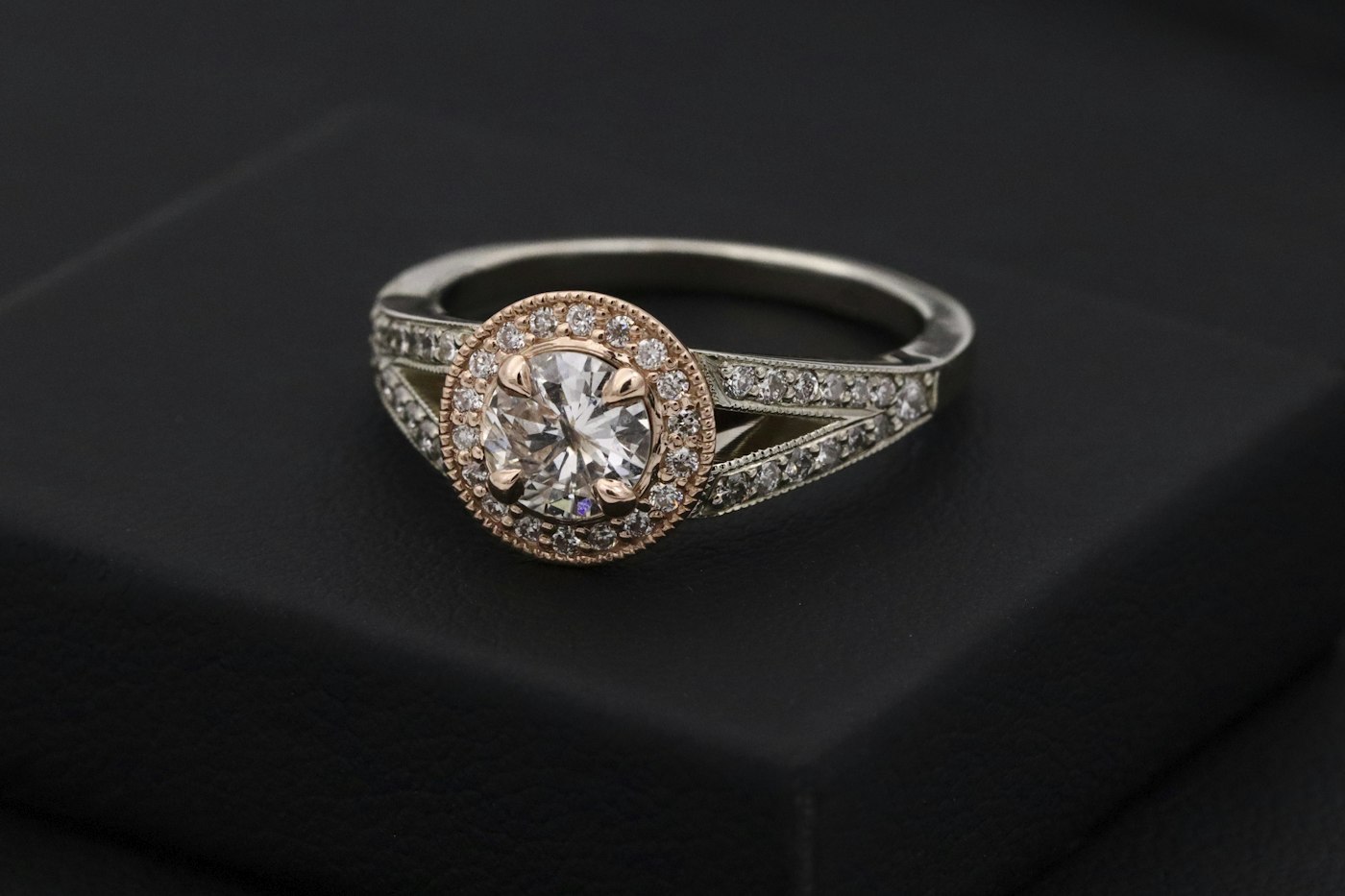
Here you can watch the silversmiths at work, experience the building’s distinctive architecture and buy jewellery and craft directly from the workshop. It is one of the most visited destinations in Inner Finnmark — and a good starting point for understanding the meeting between Sámi tradition and modern design.
💡
Buy genuine duodji
To support the craft: look for the "Sámi Duodji" mark or ask who made the object. Then you know you are buying genuine Sámi craft and not an industrial copy.
Tips
- 🗓️Check opening hours before visiting — they vary by season in Kautokeino.
- 🧭The gallery is a little outside the centre; plan your transport.
- 💍Take your time in the workshop — it is part of the experience.
Ready for Sápmi?
Browse experiences, accommodation and restaurants on the map.